



Blog
How to resolve the ‘Wet Spots’ phenomenon in scented candle making

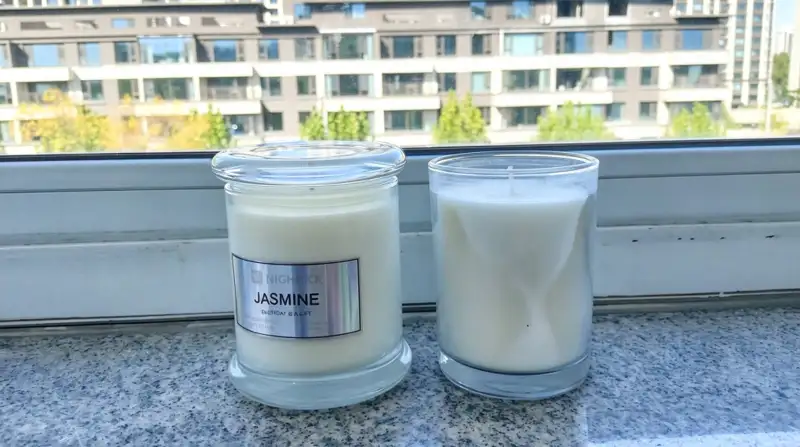
Core Summary
A candle wet spot (also known as wax pull-away or delamination) appears when wax shrinks during cooling and detaches locally from the inner glass wall, leaving a thin air gap that shows as a shadowy patch from outside. Wet spots are almost always a cosmetic issue and normally do not change burn performance or scent throw for your scented candle. You can lower wet spot occurrence by preheating candle jars, controlling pouring temperature and stable slow cooling, whether you are working with a DIY candle kit or running a small candle factory. For candle sellers, dark frosted vessels, wrap labels and upfront product disclaimers are great ways to reduce buyer complaints, as natural soy and beeswax used in hand poured candles cannot guarantee perfect glass adhesion 100% of the time.
Many candle makers and independent scented candle store owners encounter this common imperfection: after pouring and curing, a dark cloudy patch appears on the side of the glass candle jar. It looks like a damp oily stain inside the cup, but there is no liquid moisture at all. This issue is especially visible on frosted amber glass tumblers like our reference photo. Customers frequently mistake wet spots for leakage, contamination or product failure, triggering refunds, chargebacks and negative reviews. This candle troubleshooting guide breaks down what wet spots are, whether they affect combustion, factory / handmade production fixes and risk mitigation strategies for WooCommerce & Shopify candle stores selling container candles and DIY candle making supplies.
What Is This Phenomenon Called?
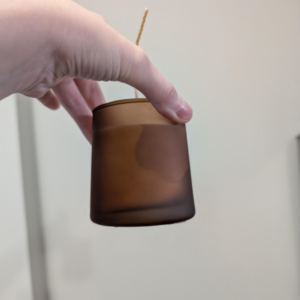
This candle imperfection is widely named Wet Spot (Wax Pull-Away / Delamination) within the candle making industry.
When molten wax cools and contracts, part of the wax loses adhesion to the glass wall. A thin air layer forms between wax and glass. Light refracts differently through this air gap, so we see a darker, foggy patch on the jar. Natural wax including soy wax and beeswax has higher shrinkage stress, making them far more prone to wet spots than paraffin wax. Temperature fluctuation after production can even create new wet spots during shipping and storage of your finished scented candle.
Critical distinction: Do NOT mix up wet spots with sinkholes. A wet spot is separation on the side wall between wax and glass. A sinkhole is a sunken crater on the top wax surface around the wick. They come from similar shrinkage forces but are two separate defects with different fixes, a key point for anyone learning soy candle making or building tutorials for their DIY candle kit customers.
Do Wet Spots Affect Candle Burning Performance?
In most regular cases, wet spots are purely cosmetic and will not interfere with burning, melt pool formation or fragrance throw of your container candle.
- Normal small wet spots: Safe to burn, no tunneling, no unstable flame, no extra sooting. This is the most common scenario for hand poured soy wax candles.
- Extreme full-side separation: If the wax bulk pulls away completely from the glass and creates a large continuous gap, melted wax may flow down behind the wax block while burning. This creates unexpected hot spots and brings safety risks. Candles with this severe separation should be discarded following standard candle safety guidelines.
Even though minor wet spots do not harm function, overseas candle buyers have very low tolerance for strange marks inside candle jars. Frosted and transparent glass amplify this visual flaw and easily lead to support tickets for your scented candle listings.
Production Methods to Reduce & Prevent Wet Spots
These techniques work both for small handmade batches from hobbyists using a DIY candle kit and mass candle production for commercial scented candle brands:
- Clean and fully dry your candle jars before pouring
Residue of grease, soap film or tiny water drops ruins wax adhesion. Wash jars with mild soap and wipe / bake them completely dry before use. This is one of the first tips we share in our soy candle making guides. - Preheat candle jars properly
Cold glass causes thermal shock. Warm glass vessels to 45–50°C before pouring. This narrows the temperature gap between wax and glass, letting wax shrink evenly while staying attached to the wall. - Stick to the recommended pouring temperature
For standard soy wax, add fragrance oil, stir well, then pour at 54°C–60°C. Too-high pouring temperature increases shrinkage stress and pull-away risk. Always follow your wax supplier’s datasheet when preparing candle making supplies. - Slow, draft-free cooling environment
Cool candles at stable 20–25°C, 40–60% humidity. Keep them away from air conditioners, fans, direct wind and sunlight. Fast, uneven cooling is the top trigger of wet spots for container candles. - Tap jars gently right after pouring
Light tapping releases trapped air bubbles between wax and glass wall, which helps adhesion for your hand poured candle. - Adjust your wax blend for better glass adhesion
100% pure soy wax is easiest to pull away. Switch to adhesion-optimized container wax or blend with suitable paraffin to improve grip on glass, ideal for anyone selling finished scented candles or putting together a DIY candle kit for customers.
Sales & Listing Strategies to Avoid Customer Complaints
It is impossible to eliminate wet spots 100% for natural plant wax, even with strict process control. Use these seller-focused tactics to reduce disputes for your scented candle and DIY candle kit listings:
- Pick vessel types that hide minor pull-away marks
Limit fully clear transparent glass candle jars. Dark frosted, tinted, coated, ceramic or opaque jars block the view of side wet spots. Your amber frosted tumbler style works perfectly here: the brown tint naturally conceals small shadow patches on the wax-glass interface for your container candle. - Use wraparound labels strategically
Full-circle jar stickers and printed graphics cover the mid-section of the jar where wet spots most often appear.
Compliance note: Mandatory burn warning text cannot be covered and must remain fully visible for international candle safety sales. - Set buyer expectations on product pages (E-E-A-T friendly)
Add a natural imperfection disclaimer directly into your scented candle description. You may copy this sample text:Our candles are poured from natural soy wax. Minor wet spots or wax separation from glass may develop during cooling or shipping. This is a natural cosmetic characteristic of plant wax, NOT a leak or defect. It will not affect burning performance or scent release for your hand poured candle.
Prioritize photos of the lit candle with a full melt pool as main product visuals. Reduce close-up shots of unlit jar sides. Add this topic to your store FAQ to cut repeated customer messages from buyers of your scented candles and DIY candle kits. - Grade your finished inventory
- Perfect adhesion batches: Sell as full-price premium gift scented candles.
- Light wet spots with safe burn test result: List as discounted seconds, clearly state cosmetic imperfection in title and description for your container candle.
- Large full-side separation: Scrap these units for candle safety.
- Prepare customer service reply templates
When buyers send photos of wet spots: For small cosmetic patches, explain this natural wax trait and offer goodwill discount. Arrange refund or replacement if the separation is severe and unsafe for the scented candle.
Extra assets available: Pinterest / Instagram short caption, dedicated FAQ Gutenberg block for WooCommerce product page, or newsletter condensed copy for your soy candle making audience.


