



Blog
Why Does Everyone on Reddit Recommend Soy Wax and Beeswax for Candle Making?

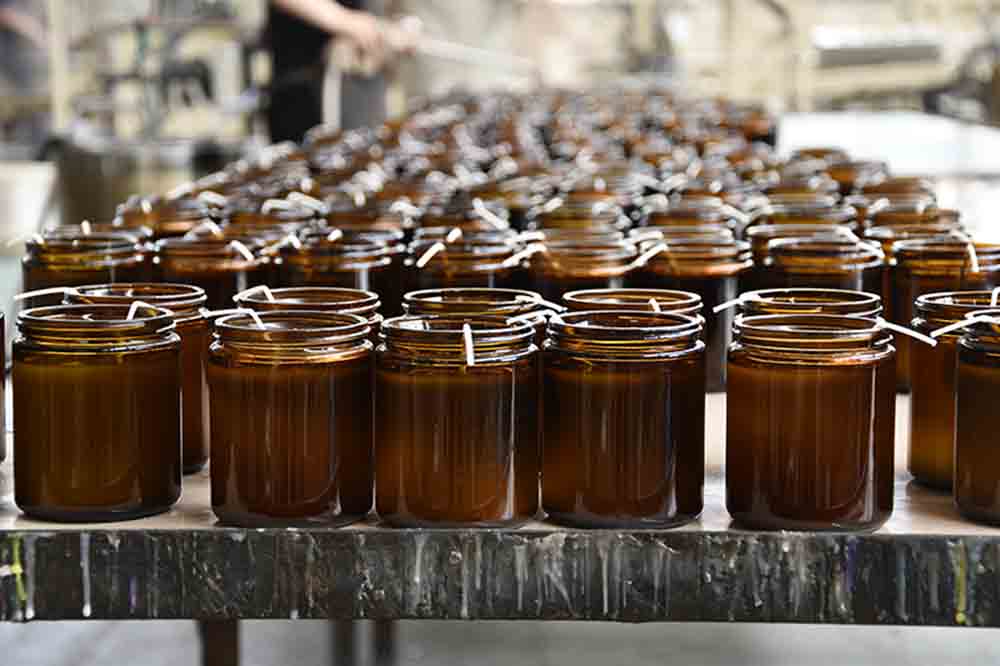
If you regularly scroll through candle-making forums—like the famous r/candlemaking community on Reddit—you’ll notice a massive trend. The vast majority of experienced hobbyists and indie candle brands strongly recommend soy wax and beeswax.
Their core reason is simple: it’s much more eco-friendly. Compared to paraffin wax, which is a byproduct of the petroleum industry, soy wax and beeswax are 100% renewable resources. They burn much cleaner without producing heavy black soot. In fact, according to studies by the U.S. Environmental Protection Agency (EPA) on indoor air quality, natural plant-based waxes release significantly fewer volatile organic compounds (VOCs) than low-grade paraffin. This leads many beginners to a logical question: Pure Soy vs Soy Blend Wax,Should I only use 100% pure soy wax for my candles?
Is 100% Pure Soy Wax Actually Good to Use? Here Are the Frustrating Downsides
In reality, makers who chase “100% pure nature” often get a quick reality check. There is no denying that the difference between pure soy wax and blended soy wax is clear when it comes to raw purity. Pure soy wax has a fantastic eco-friendly aura and an incredibly long burn time. However, from a manufacturing standpoint, its natural physical properties bring a few major headaches that are hard to ignore.
First, there is the frustrating issue of how to fix soy wax frosting. Because soy wax is made of natural triglycerides, it undergoes a polymorphic crystalline change as it cools or faces temperature shifts. This creates an unsightly, white, chalky layer on the surface.
Second, pure soy wax is naturally soft with a low melting point. This means it can only really be used for container candles (like jars and tins). If you want to make pillar candles, molded shapes, or trendy sculptural candles, pure soy wax simply cannot hold its shape.
Finally, there is the scent throw to consider. Pure soy wax is quite stubborn when it comes to locking in and releasing fragrance. If the fragrance oil ratio isn’t perfectly calculated, you end up with a candle that smells amazing in the jar but throws barely any scent while burning. As a result, many makers spend months tweaking their homemade candle beeswax to soy wax ratio just to get a smooth finish and a decent burn.
Why Do Professional Candle Factories Prefer Blended Soy Wax?
If you look at successful commercial candle brands, you’ll find that very few claim to use 100% pure soy wax. Instead, they prefer “blended soy wax” (typically soy wax mixed with coconut wax, beeswax, or a tiny fraction of highly refined paraffin). This isn’t about cutting corners; it’s a practical business and technical decision based on a few key factors:
- Complementary Performance: Blending different waxes perfectly fixes the physical flaws of pure soy. A scientific wax blend allows the candle to cool with a surface as smooth as a mirror, completely eliminating frosting and sinkholes, which instantly elevates the visual appeal.
- The Balance of Cost and Experience: Pure soy wax is expensive to refine and ship, making its raw material cost high. However, when it comes to the actual burning experience, the environmental performance gap is incredibly small between a premium blend and pure soy. More importantly, blended wax releases both cold and hot scent throws much better and more consistently. For factory mass production, blended wax offers a much higher success rate and better cost-efficiency.
Should We Blindly Chase “100% Pure Natural” When Buying Candles?
We need to look at this question objectively and scientifically. From an ecological and biodegradability standpoint, pure soy wax is indeed more eco-friendly. But for consumers and brand owners alike, sacrificing product quality for the sake of marketing buzzwords doesn’t make sense. No one wants a candle that arrives frosted, bumpy, and barely smells like anything when lit.
That is why choosing the right candle for the right application is the correct approach. You need to select your wax formula based on your specific needs—whether you want a heavy room-filling fragrance or an intricate molded shape—rather than being boxed in by “all-natural” hype.
How Do Global Brands Choose Their Wax When Customizing Candles?
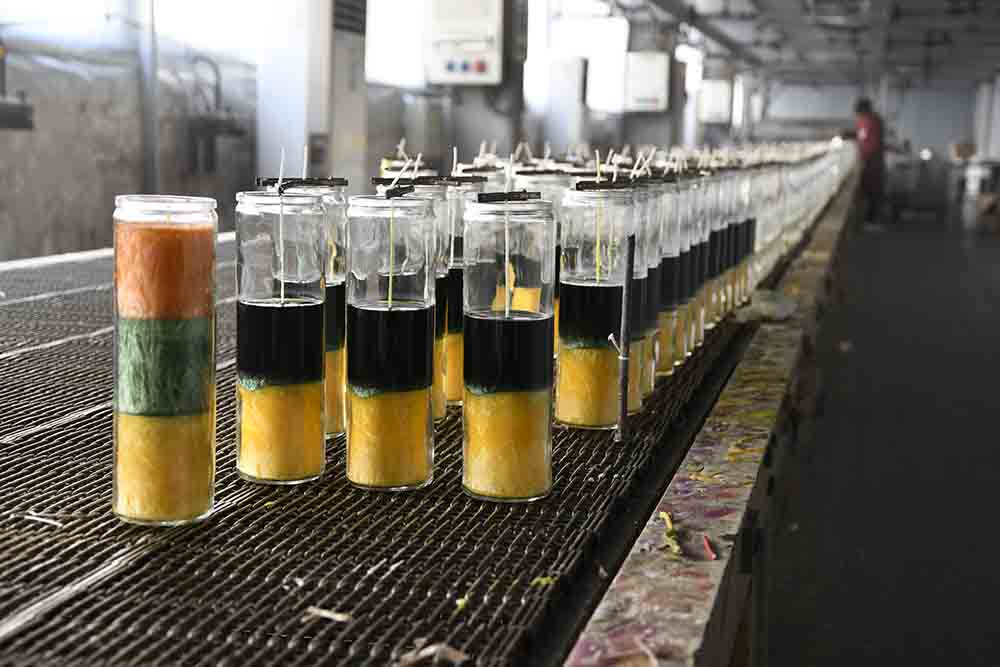
As an experienced candle manufacturer, TABO Candle has spent years providing high-end custom candle manufacturing services for global brands. In our actual export orders, the vast majority of our clients choose blended soy wax for their commercial production lines. This ensures the candles look flawless even after traveling across the ocean in shipping containers and guarantees a premium scent experience for the end consumer.
Based on TABO’s years of R&D and blending experience, we often help our clients debunk a common misconception: candles are not better just because they are stark white.
Many people assume a premium plant-based candle should be snow-white. In reality, natural soy wax color is not pure white. Due to the natural oils in the soybeans, raw soy wax naturally has a soft, creamy yellowish, off-white, or warm oat tone. Those bright, stark-white candles you see on the market are often heavily bleached chemically or treated with optical brighteners.
At TABO, our customization philosophy embraces the authentic, warm undertones of natural plant wax. Depending on your brand’s vision, we can precisely adjust the wax blend to create the perfect candle that balances eco-friendly values, stunning aesthetics, and maximum fragrance performance.